
Kenichi Yamamoto
MazdaDevelopment team member / Engine development
Led Toyo Kogyo's Rotary Engine Research Department, made the rotary engine practical for the first time in the world and put it in the Cosmo Sport
Timeline
- 1944
Kawanishi Aircraft Company
- 1946
Joined
Toyo Kogyo Co., Ltd.
- 1960
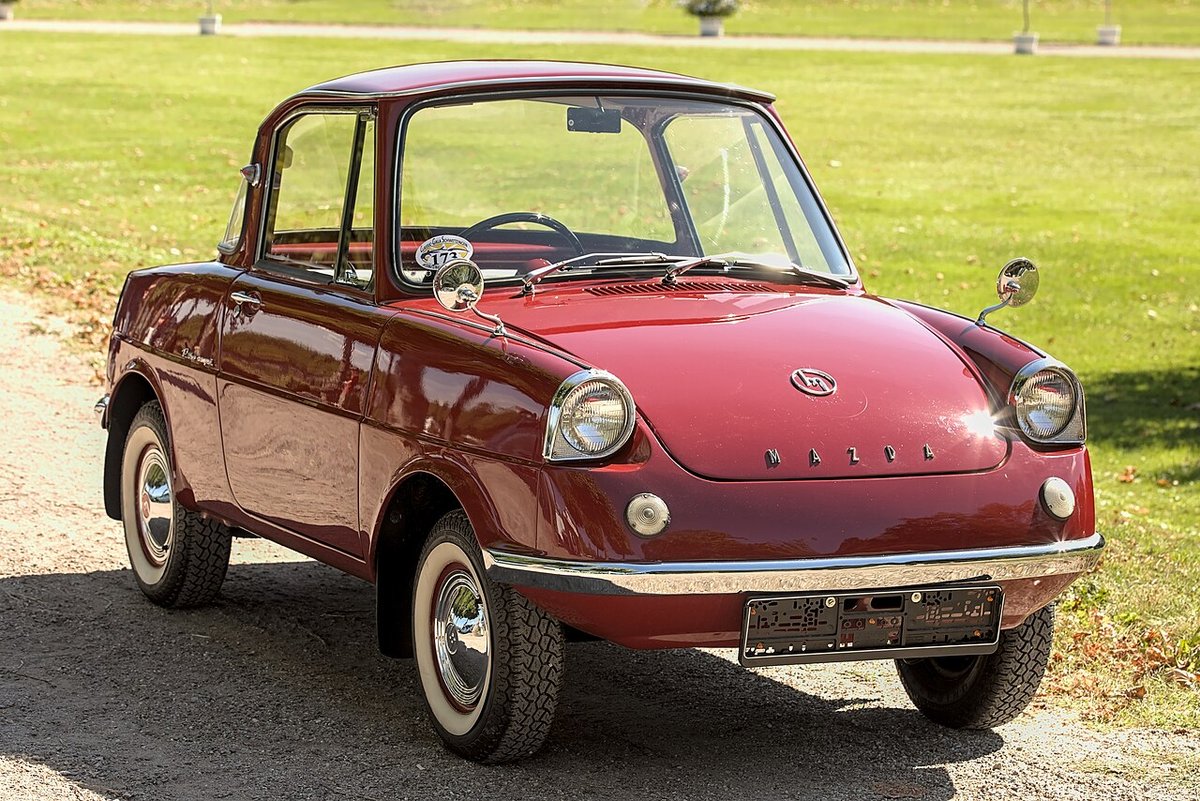 R360 Coupé 1st generation
1960–1969Development team member
Worked with
- Heiji KobayashiDesign lead
- Jiro KosugiDevelopment team member
From steel springs to rubber
With the R360 Coupé, Yamamoto tried something no manufacturer had attempted. Until then suspension springs were steel; that was fine with four people aboard, but with one person they were hard and made your backside sore. So Yamamoto developed a suspension using rubber, and it won acclaim. He himself recalled that company president Tsuneji Matsuda, watching how Yamamoto put his life into everything he did, probably got the idea of entrusting him with developing the world's first rotary engine.
- 1963
Rotary Engine Research DepartmentGeneral Manager, Rotary Engine Research Department
- 1967
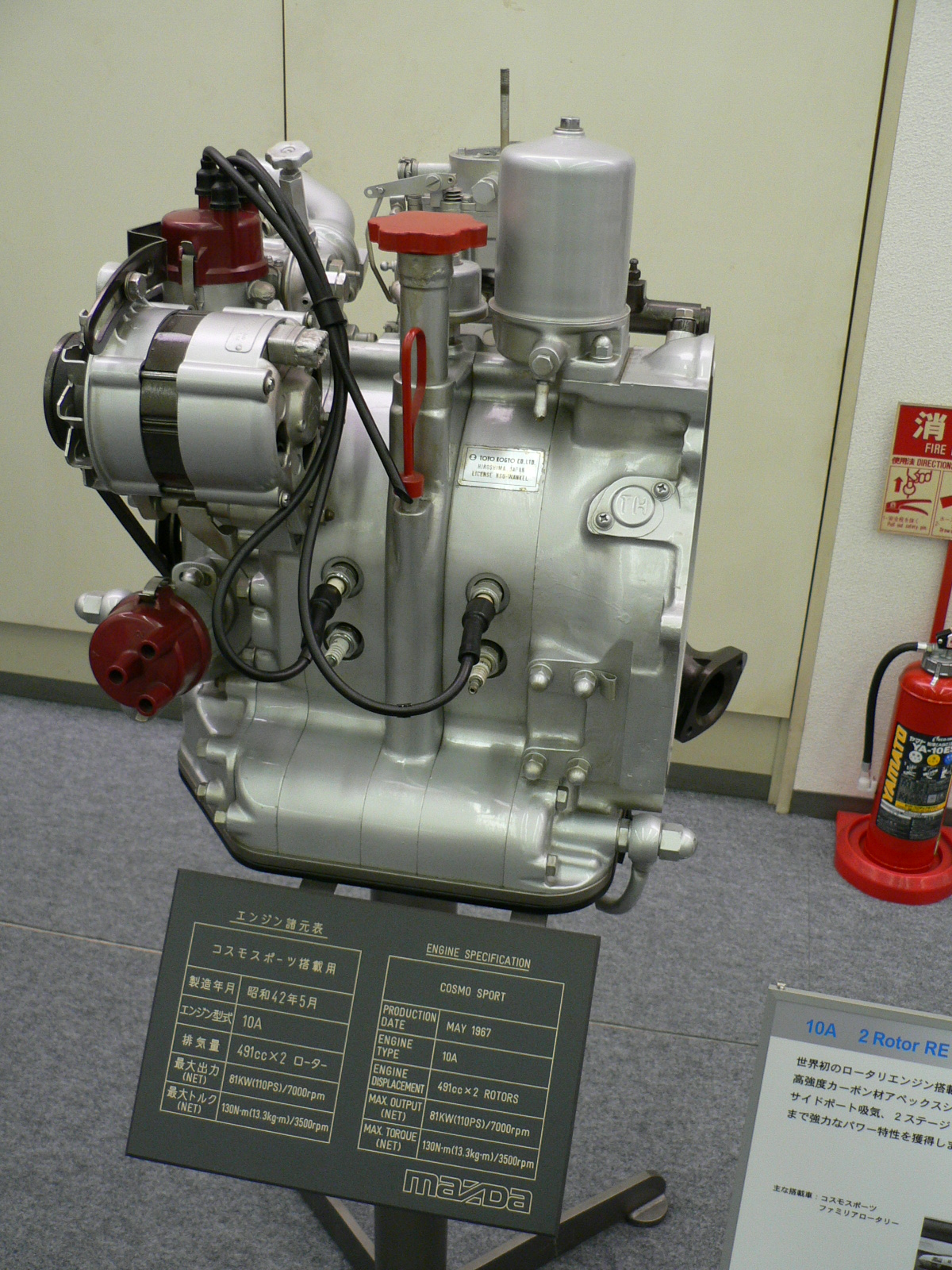
105PSRotary · 982cc · 105PS
110PSRotary · 982cc · 110PS
128PSRotary · 982cc · 128PS
Engine development
Fitted to
Cosmo 1st generation
The 47 Rotary Samurai
At the wish of company president Tsuneji Matsuda, Yamamoto was told to devote himself to developing the rotary engine, and the following month became head of the Rotary Engine Development Department. The 47-member development unit that gathered called itself the "47 Rotary Samurai," after the 47 ronin of Ako. Behind it was a sense of crisis that, under the Ministry of International Trade and Industry's plan to reorganize the auto industry, Toyo Kogyo might be swallowed up by another company. Even as his health suffered to the point of a perforated stomach ulcer and teeth falling out, he did not give up on development, and four years later, in May, the company launched the Cosmo Sport, which put the Wankel rotary engine into practical use.
Cosmo 1st generation
The devil's claw marks
When the prototype rotary engines were run, wavy wear appeared on the inner wall of the rotor housing. These "chatter marks," known as the "devil's claw marks," came from the apex seals rubbing against the housing. As materials from cow bone to precious metals were tried without making them go away, Yamamoto suspected the seals' natural frequency was the cause and came up with "cross-hollow" seals, with holes drilled through them lengthwise and crosswise. Still not satisfied, the team joined with Nippon Carbon to complete a seal made of carbon powder impregnated with aluminum, and the chatter marks disappeared completely. The Cosmo Sport's 10A went into the world with these seals.
- 1978
Managing Director
- 1984
Representative Director and President
- 1985
Chairman
- 1987
Chairman
- 1992
Left
Senior Advisor and Supreme Advisor
- 1995
Senior Advisor
- 1998
Honorary Senior Advisor


Connections
- Subordinate
Kobayakawa joined Toyo Kogyo and was assigned to the testing section of the "RE Research Department", where he worked on rotary engine development under department head Kenichi Yamamoto.
Profile
From Kumamoto Prefecture. Graduated from Tokyo Imperial University, First Faculty of Engineering, Department of Mechanical Engineering in 1944. An automotive engineer and former navy engineering officer who joined Toyo Kogyo, now Mazda, after the war and, as development leader, succeeded in putting the rotary engine into practical use for the first time in the world. He set up the Rotary Engine Research Department and became its head, and the Cosmo Sport, the car powered by the engine, went on sale. He later served as the company's president and representative director and as its supreme adviser, among other posts.
Translated from Japanese sources.
Mazda engineers
- Heiji KobayashiR360 Coupé / Cosmo
- Jiro KosugiR360 Coupé
- Matasaburo MaedaCosmo / RX-7
- Takaharu KobayakawaRX-7
- Shunji TanakaRoadster
- Iwao KoizumiCosmo
- Toshihiko HiraiRoadster / AZ-1
- Takeshi ArakawaAZ-3