
Yasuaki Asaki
HondaEngine development / Development lead
Saved Honda from a crisis with the N-BOX and with F1
Timeline
- 1981
Joined
Honda R&D Co., Ltd. Engine Test Group
- 1982
Honda F1, second era1983–1992
1982–1986Engine development
F1 engine testing division
- 1983
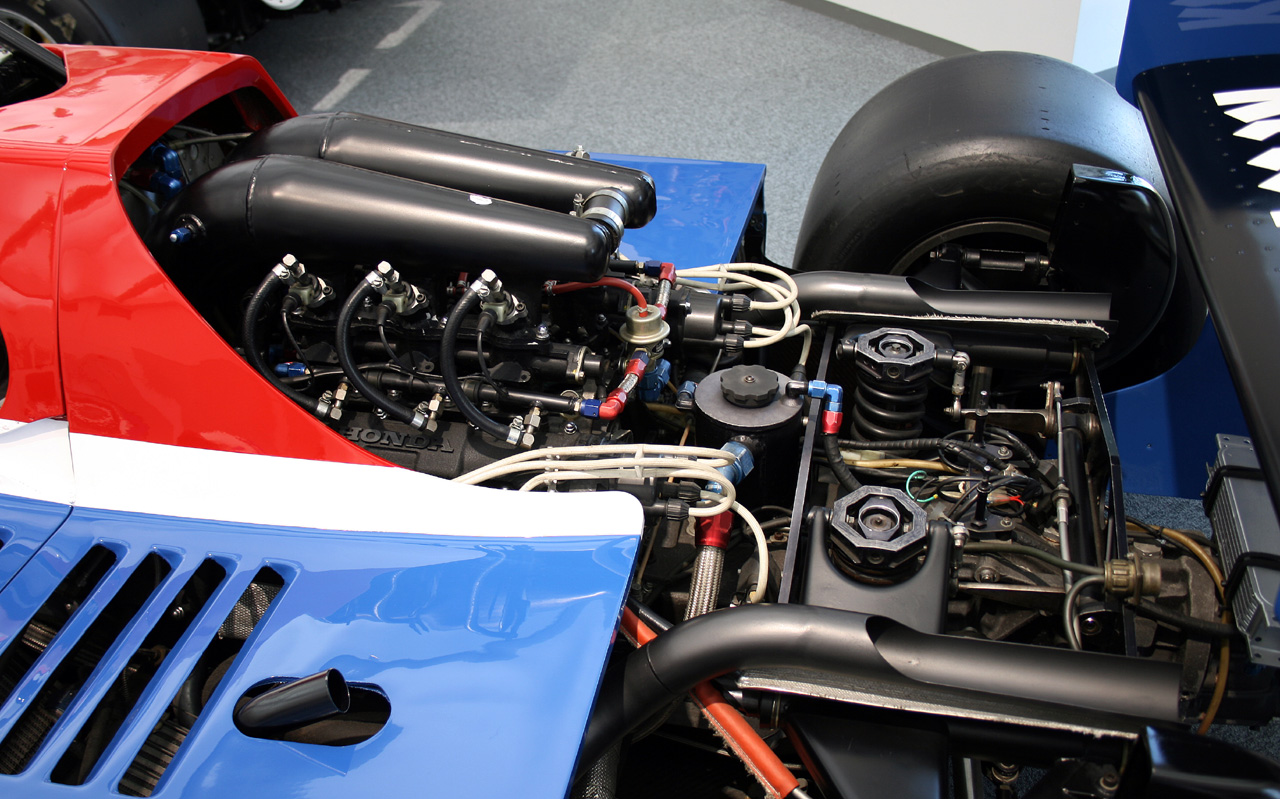
Pushing back on the F1 engine in his second year
He was transferred to the engine development team of Honda's second F1 era. He confronted his superior over an engine with an extremely big bore, saying, "Of course it breaks," and was lectured almost every night at a yakitori shop in Narimasu.
- 1986
Engine development for production cars
- 1994
 Odyssey 1st generation
1994–1999Engine development
Worked with
- Kunimichi OdagakiDevelopment lead
- Shinya IwakuraDesign lead
Building a four-cylinder on his own in the six-cylinder department
Honda, then struggling financially, did not have the means to build a factory for a large minivan. To build it at an existing plant, the body had to be smaller, which meant it could only take a four-cylinder. Asaki, who was in the six-cylinder development unit, began developing a four-cylinder no one had asked for, and kept going even when he clashed with his boss. Some in the company mocked it as a "hot-spring car," but the first Odyssey was a big hit and saved Honda.
- 1995
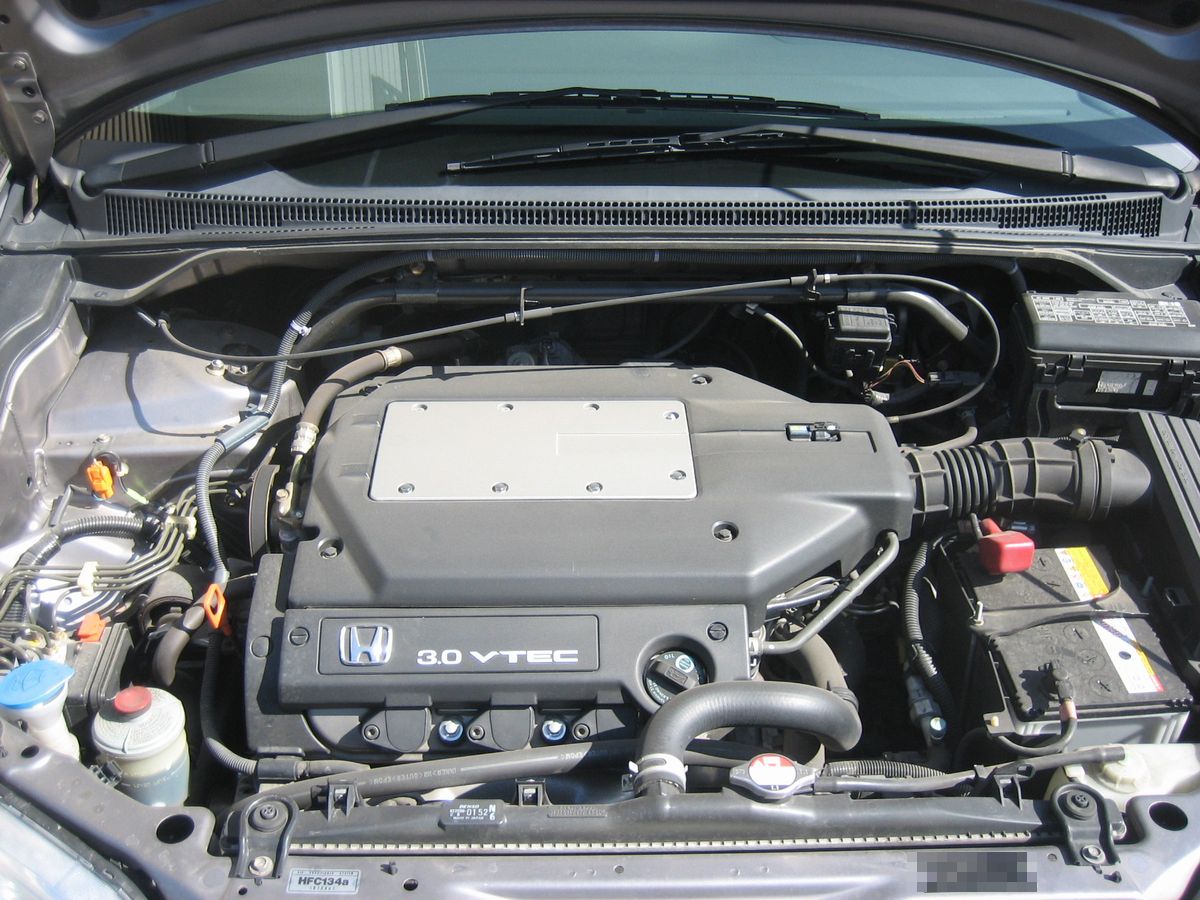
Fitted to
The hardest of all: cylinder deactivation
The V6 fitted to the fourth-generation Inspire rests the three cylinders on one bank while cruising to save fuel. Resting them causes vibration. Asaki turned to an active engine mount that had been built in-house for diesels but had never been used, and won over its developer, half by trickery, to work with him. He says the hardest thing he ever worked on was not the N-BOX or F1, but this cylinder deactivation.
- 2004
Honda Motor Co., Ltd. Product Planning Office
- 2011
 N-BOX 1st generation
2011–2017Development lead
Honda can't build it cheaply, so it has to be the roomiest
With the strong yen after the Lehman shock making exports difficult, Honda needed a car that would sell in Japan. In kei cars, where price decides everything, Honda could not build cheaply. So it set targets of the world's smallest engine compartment and the largest cargo space within kei car rules, bringing the minivan thinking that began with the Odyssey to a kei car. In his own words, a "mini-minivan." It was developed with a sense of crisis that Honda would be in trouble if it didn't sell.
Chief Engineer
- 2017
Executive Officer
- 2018
Honda F1, fourth era2015–2021
2018–2021Development lead
Six months from retirement, called back to F1
After launching the N series, with six months to go before retirement, he was put in charge of developing Honda F1's power unit. He withdrew his retirement to take it on. For the MGU-H, which kept failing, he brought in engineers from Honda's own HondaJet program, who identified the problem with the bearing position.
The championship in the year of withdrawal
In Honda's final year before withdrawing from F1, Verstappen, with a Honda power unit, won the drivers' championship. When years without wins go on, engineers acquire a "losing habit" of looking for excuses. That, he said, was the one thing he did not want to leave behind.
Honda R&D Co., Ltd. HRD SakuraCenter Director
- 2022
Honda Racing Corporation (HRC) Automobile Racing Development DepartmentManaging DirectorGeneral Manager, Automobile Racing Development
- 2023
Left

Connections

Profile
From Hiroshima Prefecture. Graduated from Hiroshima Institute of Technology, Faculty of Engineering, Department of Mechanical Engineering in 1981. He joined Honda Motor Co., Ltd., and the following year moved to the F1 engine development team, taking part in the early activities of Honda's second F1 era. He returned to production car development and worked on engine development for the Legend, the first-generation Odyssey and other models. He went on to develop the V6 engine with Variable Cylinder Management (VCM), the J30 series, which was used in the fourth-generation Inspire, the Elysion and other models. He later served as LPL (large project leader, the development leader) of a new kei car (later the N-BOX), and then as LPL of Honda F1.
Translated from Japanese sources.
Honda engineers
- Shinichi TakahashiCivic
- Hiroshi TakemuraOdyssey
- Shigehiro YasukiInspire
- Suehiro HasshiCivic
- Yutaka OtobeIntegra
- Takashi ShinchiCivic / Odyssey
- Ichiro TeruiInspire
- Mitsuru KariyaCivic