01
The Zero fighter wreck and "Operation Zero"
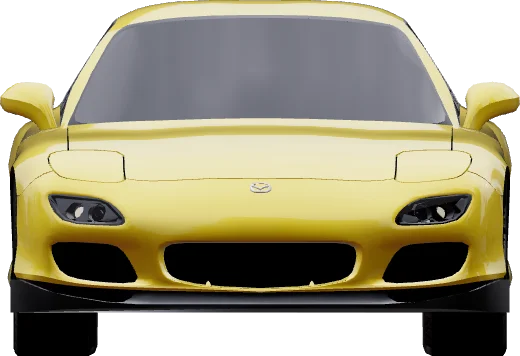
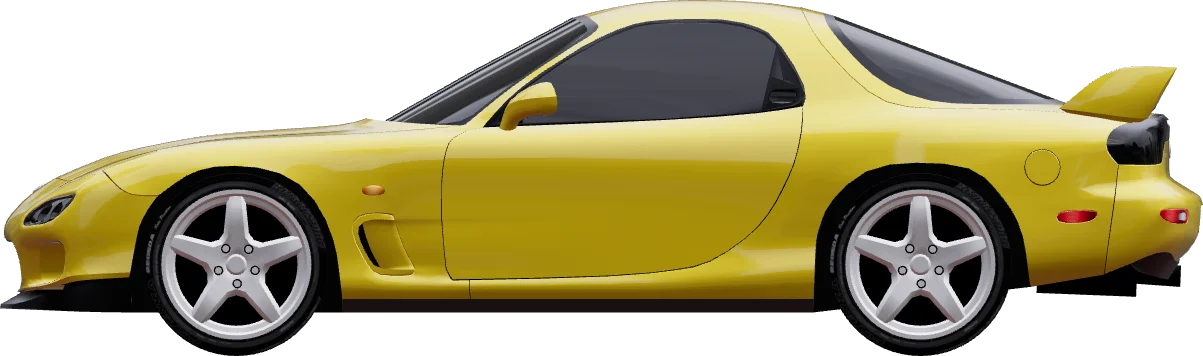
Kobayakawa, who became RX-7 chief engineer right after the second generation's introduction, began developing the third generation alongside the ∞ (Infini) version and the cabriolet, and settled with the team on the keywords "shi-rin-en-kō" (aspiration, dignity, allure, elation). Unforgettable was an encounter with the wreck of a Zero fighter; he asked Takao Kijima to lead the effort and took on thorough weight reduction under the watchword "Operation Zero." The project also bought racing karts and a rotary-engine formula car to give members a wide range of experiences, and drew up the image of the sports car to pursue.
02
"Operation Zero," learned from the Zero fighter
Put in charge of developing the third-generation RX-7, Kijima picked twenty-some people from body, chassis, interior and electrical departments and formed a task force that crossed departmental walls. Its banner was "Operation Zero," eliminating every bit of wasted weight. The model was the Zero fighter, which pursued lightness and low drag with extra super duralumin and flush rivets. The finished RX-7, at about half the price of the NSX and with a partly aluminum body, slightly beat the all-aluminum NSX's time at Tsukuba.
03
As chief engineer, holding out for 280 hp
Kijima took over as chief engineer of the RX-7 the year after its launch, but the bubble burst and it was decided to end sales in the US. Even while the finance executive who came from Ford questioned almost weekly whether the business could stand on its own, he held out, out of an engineer's pride, for raising output to 280 hp, Japan's upper limit. When the end of production was decided, an unusual ceremony was held at the Ujina plant, and rotary fans gathered from all over the country.