Kozo Watanabe
NissanDevelopment lead
Development lead of the ninth- and tenth-generation Skylines, who sent out the last "Skyline GT-R" with the BNR34 GT-R
Timeline
- 1967
Joined
Nissan Motor Co., Ltd.
- 1970
Nissan Motor Co., Ltd. ESV (Experimental Safety Vehicle) division
- 1973
Nissan Motor Co., Ltd. Chassis Design Section 3, Chassis Design Department 3
- 1985
Nissan Motor Co., Ltd. Vehicle Testing Department
- 1987
Lead test engineer for the eighth-generation Skyline (R32), the Leopard and the Infiniti M
- 1990
Chief of testing
- 1992
Chief of development, Product Development Division (development lead for the ninth-generation Skyline, R33)
- 1993
 Skyline 9th generation (R33)
1993–1998Development lead
Putting the Battery in the Trunk
The eighth-generation R32 was planned to boldly express the Skyline's character and to win back its fallen driving image. From the R33 onward, the plan was to enhance what a sedan needs, such as cabin comfort, and securing trunk capacity, which had been criticized on the R32, was an especially important theme. Even so, Watanabe wanted to improve even a little on the "doesn't turn" verdict the R32 had received. So, to change the weight distribution, he deliberately placed the battery in the trunk. He looks back on it as an ambitious challenge, because good driving had to be upheld.
- 1995
 Skyline 4th generation GT-R (BCNR33)
1995–1998Development lead
Minus 21 seconds of romance
Following Nissan headquarters' policy, the ninth-generation Skyline became larger than the previous R32. Even so, Watanabe refined the R33 GT-R with the goal of making it faster than the R32 GT-R, and brought its Nürburgring lap time to 7 minutes 59 seconds, 21 seconds quicker than the R32. The R33 GT-R's TV commercial at the time carried the tagline "Minus 21 seconds of romance."
- 1998
 Skyline 10th generation (R34)
1998–2001Development lead
Passing on the V6 for the inline-six RB
For the tenth-generation R34, Watanabe considered using a V6 engine and the V35's packaging to improve the front-rear weight distribution and packaging, long-standing issues for the Skyline. But the only V engine that could be combined with ATTESA E-TS was the Cima's VH41DE, which risked lengthening development, and the investment in a second line at the Iwaki plant, which builds VQ engines, could not be covered by the Skyline alone. In the end, the inline-six RB engine was refined and used again.
- 1999
 Skyline 5th generation GT-R (BNR34)
1999–2002Development lead
Giving Up on Two Pedals
Kozo Watanabe wanted to make the R34 GT-R a two-pedal car. No automatic transmission compatible with the RB26 would fit in the R34's floor; the only thing that would was a toroidal CVT, and a prototype was even built. But about 90 percent of GT-R owners had done some kind of tuning, so there was no telling what horsepower they were running. He thought that if they fitted a toroidal CVT to such a car and told customers not to modify it, nobody would buy it, and although it was terribly frustrating, he gave up. So what they worked on for the R34 GT-R was the engine and the transmission. A six-speed manual, which the company did not have in-house, was to be bought from Getrag. He was told to recheck it from its basic design, but he argued that since Toyota bought it and used it in the Supra, there was no problem, and got them to buy it.
Make It from Plywood and It Would Catch Fire
What Watanabe insisted on for the R34 GT-R was generating underfloor downforce, addressing aerodynamics, which had been called a weakness, and he fitted a carbon rear diffuser. He had been told it could be made cheaply, but it cost about 1 million yen, and Watanabe says Kazutoshi Mizuno neatly tricked him. The head of the product division told him that if he was going to fit such an expensive part, he should make it from plywood, and he shot back that plywood would catch fire. When Kato drove it at the Nürburgring, the R34 was ready to run right away, whereas the R32 and R33 had always meant working through the night.
Sending One Seat to Connolly
Another thing Watanabe wanted to do on the R34 GT-R was genuine leather from Britain's Connolly, which was adopted in a small way as an option. Japanese manufacturers had turned him down, saying they could not make such a three-dimensional shape. Connolly happened to be visiting the NTC, so he asked the company's president, was told to send one seat, and when he did, it came back finished in about six months. In Japan it was sold through Nismo, and in Britain through Connolly. Later, around the time of the M-Spec, Japanese manufacturers began saying they could do it too, but Watanabe says the softness of the leather and the way it was tanned were still better from Connolly.
NISMOManaging Director
Connections
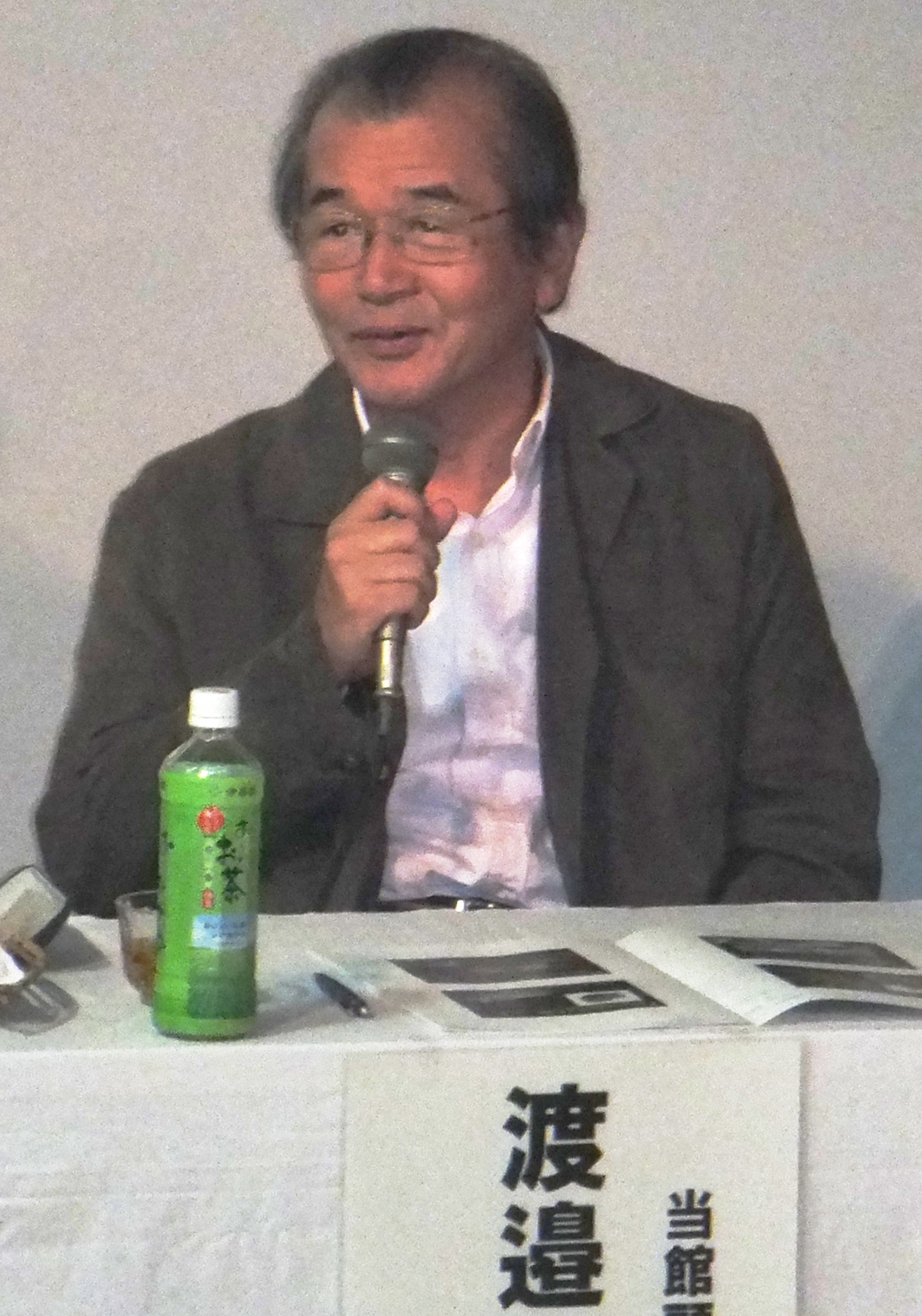
Kozo Watanabe

 Subordinate
Tamura is described as having learned from Sakurai at Autech Japan and then grown under Ito and Watanabe, who successively headed development of the GT-R.
- Superior
Watanabe was assigned to the Third Chassis Design Section of the Third Chassis Design Department in Ogikubo, where Ito was the section manager.
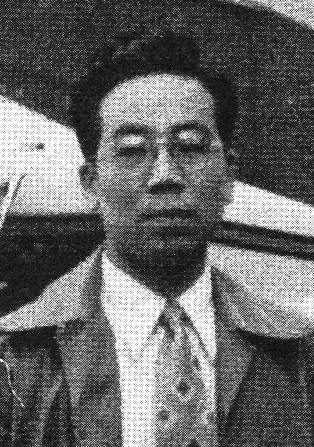 Superior
After joining Nissan, Watanabe was assigned to the First Vehicle Design Department of the Prince division, where under Sakurai he handled suspension design for the C10 Skyline and the R381 and R382.
Profile
From Osaka Prefecture. Graduated from University of Tokyo, Faculty of Engineering, Department of Mechanical Engineering. Head of development (chief engineer) of the ninth-generation (R33) and tenth-generation (R34) Skyline. He refined the R33 GT-R with the goal of making it a faster car than the R32 GT-R.
Translated from Japanese sources.
Nissan engineers
- Satoshi WadaBluebird
- Ryoji OtakeSilvia
- Toshio YamashitaFairlady Z
- Koichiro KawamuraEXA / Silvia
- Kazutoshi MizunoSkyline / GT-R
- Shinjiro YukawaFairlady Z
- Naganori ItoLeopard / Skyline
- Isao SonoBluebird / Leopard