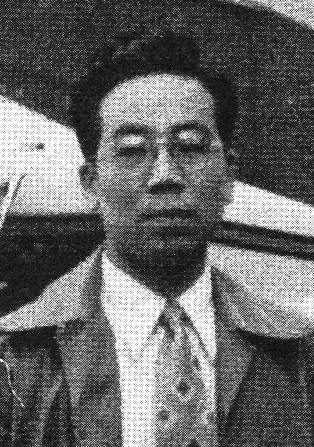
Shinichiro Sakurai
NissanDevelopment lead
Development lead of the Skyline from partway through the second generation until late in the seventh generation's development, known as "Mr. Skyline"
Timeline
- 1951
Shimizu Corporation Machinery Department
- 1952
Joined
Tama Motor Design Section
- 1963
 Skyline 2nd generation (S5)
1963–1968Development lead
Worked with
- Katsutoshi ShimadaDevelopment team member
Deputy Manager, Vehicle Design Section 1, Passenger Car Department
- 1965
Deputy Manager, Vehicle Design Section 2, Vehicle Engineering Department 1
- 1966
Nissan Motor Co., Ltd. Vehicle Design Section 2, Vehicle Engineering Department 1, Prince DivisionDeputy Manager, Vehicle Design Section 2, Vehicle Engineering Department 1, Prince Division
- 1968
 Skyline 3rd generation (C10)
1968–1972Development lead
The Third Generation in the Midst of the Merger
When Prince Motor Company was absorbed into Nissan Motor, development of the third-generation Skyline (C10) was already at its climax. Depending on the decision of upper management, both cancellation of the project and the end of the name were possible. The finished prototype was in fine shape, while at Nissan the Bluebird (510) was in development. As a result of discussions, the Bluebird would be released as a family sedan, and the Skyline would thoroughly pursue driving performance. Sakurai says the engineers from Prince's Ogikubo came together as one to carry on the philosophy of the second generation and prove its reason for being. The third-generation C10 paid attention even to the seat upholstery and its smell, the engine sound, and the sound of the doors opening and closing. The C10 appeared in the summer under the "Nissan" brand.
Manager, Vehicle Design Section 2, Design Department 4
- 1969
 Skyline 1st generation GT-R (PGC10/KPGC10)
1969–1972Development lead
Cut It Down and It Became a Two-Door
To Sakurai, the Skyline was above all a sedan with excellent dynamic performance, and the four-door was the basis. That is why the Hakosuka two-door GT-R (KPGC10) is also based on the four-door. He had felt the need for a two-door with a shorter wheelbase since he was developing the four-door. Pursuing the ideal driving meant shortening the wheelbase, and when he cut it down to the limit that still left the rear-seat space the regulations allowed, it became a two-door. The grille is the same as the four-door's, and apart from the rear over-fenders there is nothing flashy. Sakurai says the Skyline's original style did not change at all.
Driver's Seat 70, Passenger 20, Rear 10
From the development stage, Sakurai's Skylines spent a little extra on the passenger seat, but made the rear seats simpler the higher the performance. The savings went to the driver's seat, with emphasis on position and support so the driver could feel the joy of control. In his sense of it, if the driver's seat was 70, the passenger seat was 20 and the rear 10. He felt that if the two-door's rear seat could truly be treated as space for "a dog or a cat, or a place to put things," the car would drive even more nimbly. Sakurai looks back that the two-door was ideal in terms of driving. The two-door GT-R was the ultimate form that refined dynamic performance to make the most of the strongest engine.
- 1972
 Skyline 4th generation (C110)
1972–1977Development lead
The Kenmeri, Built with "All Right, I Understand"
Development of the fourth generation (Kenmeri) began right after the merger with Nissan, and the Skyline was even mocked as a burden. The third-generation Hakosuka had been highly rated, but the public saw it as "not a car to drive right after getting your license." The sales side strongly demanded a car with mass appeal rather than high performance, one that looked stylish and felt natural to people switching from Toyota. Sakurai said, "All right, I understand," and built the fourth generation consciously avoiding strong character. The Kenmeri sold 640,000 units, the most of any Skyline, but as an engineer it was not what he had wanted, and he says that, honestly, he did not much like its styling, which was too conscious of the mass market.
- 1973
 Skyline 2nd generation GT-R (KPGC110)
1973–1973Development lead
"This Engine Can't Meet the Emissions Regulations"
Even in the Kenmeri era, Sakurai always had a GT-R plan in mind. Based on the hardtop 2000GT of the fourth-generation Skyline (Kenmeri), the GT-R came out. But the S20 engine could not meet the Showa 48 emissions regulations, and production and sales ended at the end of April, three months after launch. Sakurai looks back that the decisive blow was the words of the excellent engineers themselves: "This engine can't meet the emissions regulations." Total production was 197 units. He also says he thinks the GT-R would have continued for a long time had it not been for the oil shock.
- 1974
Chief vehicle program engineer, Vehicle Design Department 3
- 1976
Deputy General Manager, Vehicle Design Department 3
- 1977
 Skyline 5th generation (C210)
1977–1981Development lead
- 1979
Chief Program Manager, Product Development Office
- 1980

- 1981
 Skyline 6th generation (R30)
1981–1990Development lead
Lightning at Senjogahara
When developing the Skyline, Sakurai wrote a concept story himself and had all the designers share it as they worked. The story set out in detail not only the car but also the driver's thinking, personality, age and occupation, and for the R30's development he wrote "Lightning at Senjogahara."
- 1984
 Skyline 7th generation (R31)
1985–1990Development leaduntil 1984
Worked with
- Naganori ItoDevelopment lead from 1984
Hospitalized late in development
As development of the seventh generation entered its final stage, Sakurai suddenly fell ill and was hospitalized, and hurriedly handed over the role of development lead to Naganori Ito, his colleague since the Prince days and his foremost disciple. After leaving hospital he did not return as development lead of the Skyline, and instead worked on planning and developing Pike cars as general manager of Nissan's newly created Vehicle Design Department.
General Manager, Vehicle Development Management Department, Product Development Office
- 1986
Autech JapanGeneral Manager, Vehicle Design DepartmentRepresentative Director and President
- 1994
S&S EngineeringRepresentative Director
- 2010
Chairman of the Board
Connections
 Subordinate
Tamura was seconded from Nissan to Autech Japan, where he learned under Sakurai; when Sakurai, the company president, told him "We're going to collaborate with Zagato!", he drew the vehicle plan drawings for the Autech Zagato Stelvio.
- Subordinate
At the request of Sakurai, leader of the racing car development group, Shimada moved to chassis design and joined the development of the R380 to R383 racing cars as a designer.
 Subordinate
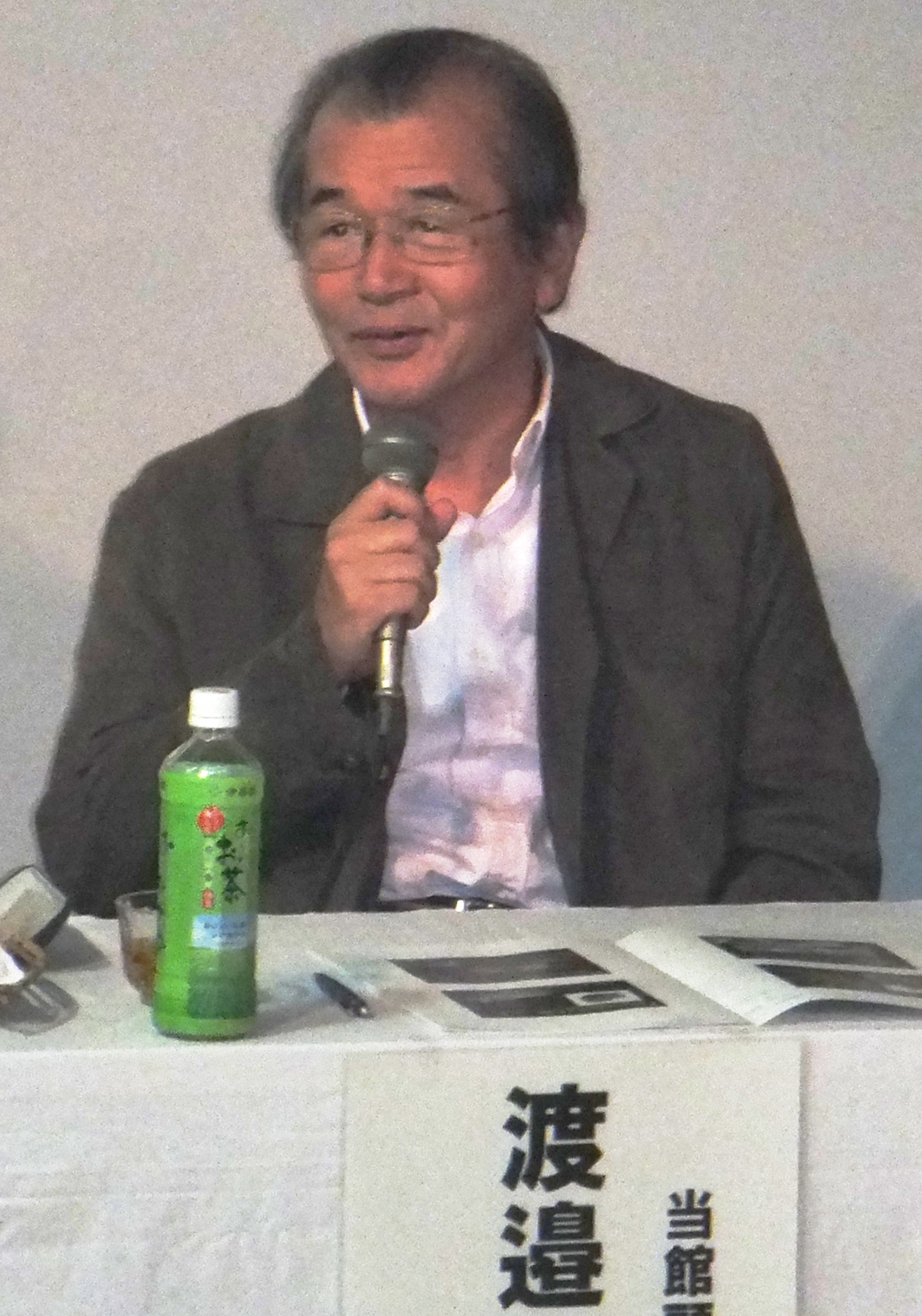
After joining Nissan, Watanabe was assigned to the First Vehicle Design Department of the Prince division, where under Sakurai he handled suspension design for the C10 Skyline and the R381 and R382.
- SubordinateProtégé
In the Second Vehicle Design Section of the Prince division, Ito, as a supervisor under section manager Sakurai, coordinated chassis-related work.
Ito had been Sakurai's foremost disciple since the Prince days, and when Sakurai fell ill and was hospitalized, Ito took over as chief engineer of the Skyline at short notice.
Profile
From Kanagawa Prefecture. Graduated from Yokohama National University, Faculty of Engineering, Department of Mechanical Engineering in 1951. Head of development (chief engineer) of the Skyline. He led its development without a break from partway through the second generation until near the end of the seventh generation's development, and was called "Mr. Skyline".
Translated from Japanese sources.
Nissan engineers
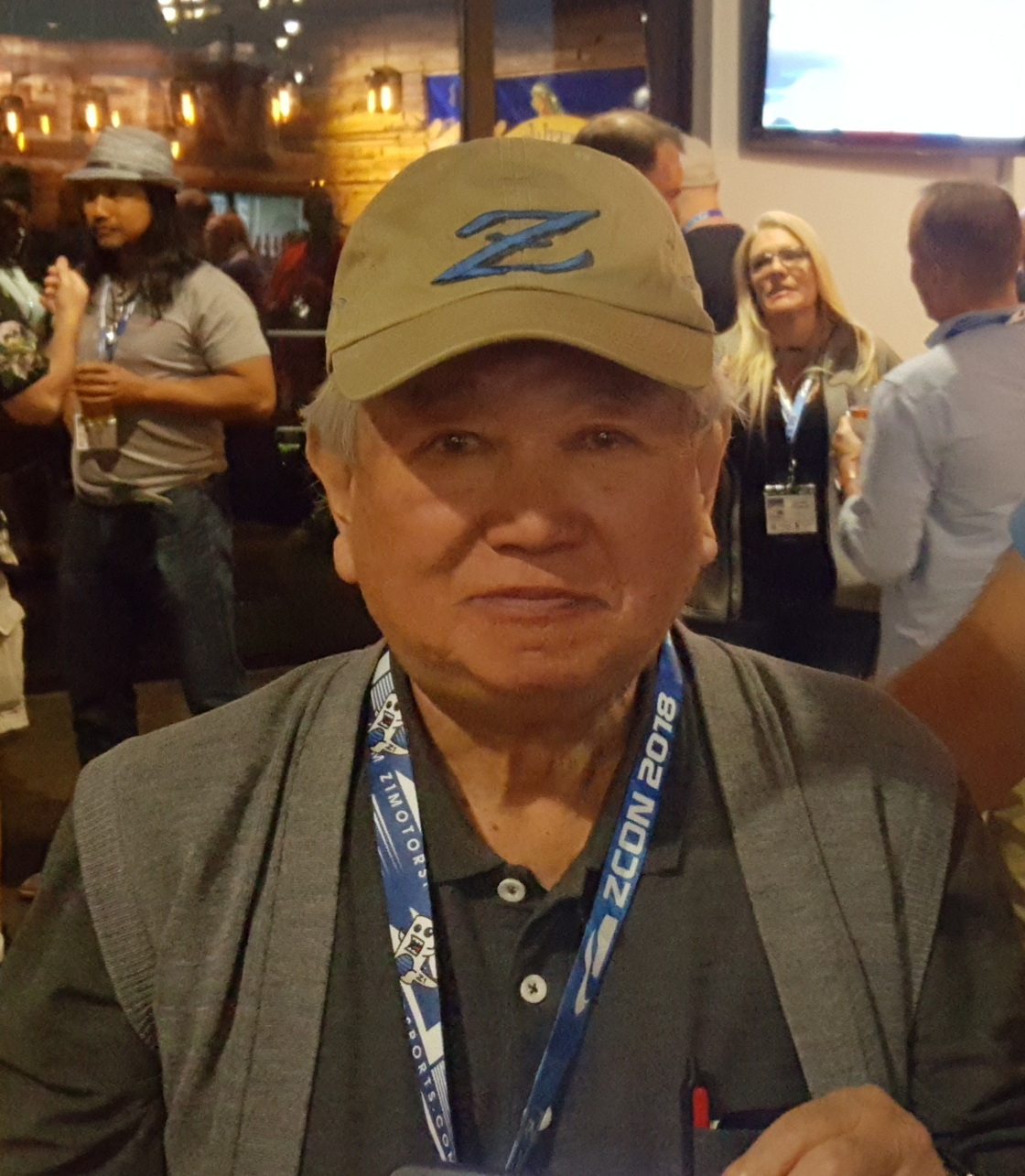 Yoshihiko MatsuoFairlady Z
- Isao SonoBluebird / Leopard
- Kazuo KimuraSilvia
- Naganori ItoLeopard / Skyline
- Katsutoshi ShimadaSkyline
- Koichiro KawamuraEXA / Silvia
- Shozo SatoBluebird
- Toshio YamashitaFairlady Z