
Tetsuya Tada
ToyotaDevelopment lead
The man who brought back Toyota's sports cars
Timeline
Mitsubishi Motors
A computer-systems development startup
- 1987
Joined
Toyota Motor Corporation Electronics Testing Department
- 1993
TTE (Toyota Team Europe)
- 1998
Product Planning Division
- 2004
 Passo 1st generation
2004–2010Development lead
Planned by Toyota, built by Daihatsu
The first Passo was born from a division of labor in which Toyota did the planning and Daihatsu handled design, testing and manufacturing. Tada, as Toyota's chief engineer, has described this division of roles. It is shorter overall than the Vitz but roomier inside. Placing the radiator beside the small engine and shortening the nose made the difference.
Chief Engineer
- 2005
 Ractis 1st generation
2005–2010Development lead
Giving up the Funcargo name
At the dealership, the Ractis was the successor to the Funcargo. Even so, Tada believed that what buyers in this class want shifts easily, and that an ordinary model change was not enough, so he changed everything from the name to the concept. Whether it was right to give up an established name was debated many times even among executives.
Paddle shifters, for a one-make race
He wanted a car that, even though it was tall, could be driven with real pleasure. Every car got 16-inch tires, and the paddle shifters were added with a one-make race in mind, so that people who couldn't heel-and-toe could still race. They even built a race concept car, but the plan never saw the light of day. Even so, Tada recalls that a recommendation from someone who remembered this plan seems to have led to his later assignment to sports cars.
- 2007
Toyota–Subaru joint development (86 / BRZ)2008–2012
Subaru × Toyota
2007–Development lead
Models it produced
 86 1st generation 86Development lead
 BRZ 1st generation
Practically living at Subaru's development site
Not only were they working with another company, but neither Toyota nor Subaru had built a sports car for some time. Told by those around him that it would be a tough job, Tada practically lived at Subaru's development site. The first year or two, gathered around paper drawings, were awkward, but once prototypes were built, a mood of mutual respect emerged.
The engine wasn't supposed to be new
At the board meeting he explained that Subaru's horizontally opposed engine would be used as it was, so no extra investment was needed, and won approval. But about a year into development it became clear the target performance could not be reached, and in the end a new engine was developed.
86 1st generation 86
Off the Wish, into a two-person department
While developing the second-generation Wish, Tada was called in by an executive and ordered to build a sports car. Minivans were the stars inside the company, and those around him sympathized as if he had been demoted. The sports car team was just two people: Tada and a young engineer known for driving nothing but a used AE86.
86 1st generation 86
The same tires as the Prius
For the 86's standard tires, he chose the same ones as the Prius. The aim was for drivers to learn the fun of controlling a car once it starts to slide, rather than relying on high-performance tires. They also help fuel economy, which made it easier to tell executives skeptical of sports cars that it was a sports car that balanced the environment and driving.
Sports Group, Vehicle Planning DepartmentGroup Manager
- 2010
ZR, Sports Vehicle Management DivisionChief Engineer, ZR
- 2012
Toyota–BMW collaboration (Supra)2012–
2012–Development lead
Models it produced
 Supra 5th generationDevelopment lead
A year without agreement
BMW's head of development recommended a high-tech sports car that made use of environmental technology rather than a classic sports car with tight economics. Negotiations with Tada, who was set on an inline-six sports car, had gone on for more than a year before anyone noticed. When BMW's head of development changed, the mood shifted at once: if Toyota feels that strongly, then let's do it.
Toyota decides how it drives
The engineering work was left to BMW, and the structure and powertrain were shared with the Z4. In return, a contract was signed under which Toyota's test drivers could decide all of the tuning of the Supra's suspension, engine and transmission. The teams split into Supra and Z4 and developed their designs separately too, and in the end BMW made almost no requests.
Supra 5th generation
From the 86 test drive to Munich in secret
In May, while Tada was attending a press test drive of the 86 in Spain, he got a call from Japan. He was told to go to BMW headquarters in Munich the next day and find out whether they could build a car together. No one said Supra, but BMW was the only maker with a high-performance production inline six, and on the plane he thought, this is the Supra. When he sent back an optimistic report, he was put in charge of the project as its leader.
Supra 5th generation
Winning approval for a short wheelbase with a prototype
The ratio of wheelbase to track was decided first, and the wheelbase was made 100 mm shorter than the 86's. Headquarters worried whether something that short could be stable at very high speeds. So he had an advance prototype built on a BMW 2 Series and shipped to Japan for the president and executives to drive, and development was finally given the go-ahead.
- 2014
Sports Vehicle Management DivisionGeneral Manager, Sports Vehicle Management
- 2018
Chief Engineer
- 2019
Chief engineer (shusa)
- 2021
Left
Japan Soap Box Derby Association (NPO)Chairman
Connections
Tetsuya Tada


- Superior
Tada's first assignment was the Raum, and his boss in the department he was assigned to was Tsuzuki, who had made the Supra. When Tada said he wanted to build a sports car, Tsuzuki told him, "You're a hundred years too early to be building a sports car."
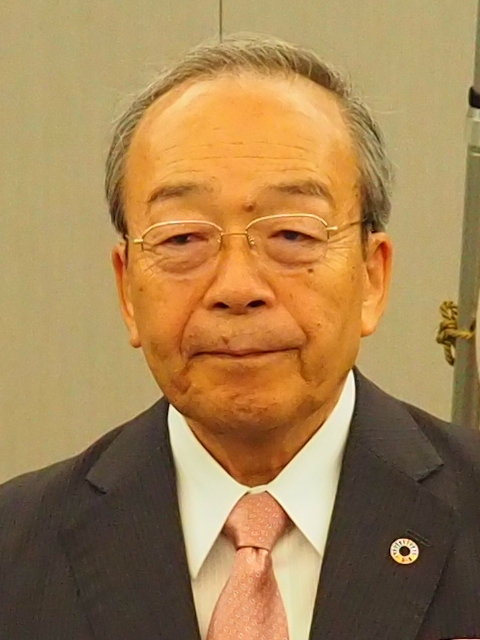 SuperiorAdvisor
While Tada was holding a test-drive event for the 86 in Spain, Uchiyamada telephoned him and ordered, "Go to Munich tomorrow, and don't tell anyone."
After repeated studies that included the powertrain combination, Tada also went to consult Uchiyamada and President Toyoda, but was told, "That's still a little too early."
Takao KijimaMazda
AdvisorUnable to get management approval for a sports car, Tada visited Kijima at Mazda in Hiroshima. Kijima replied, "At Mazda, sports cars are decided by the carmaker's pride and the engineers' passion."
Profile
From Niihama, Ehime Prefecture. Graduated from Nagoya University, Faculty of Engineering. After Mitsubishi Motors and a computer-systems development startup, joined Toyota Motor Corporation in 1987. Chief engineer of the 86 and the GR Supra. In the Product Planning Group he worked on the development of the first-generation bB, the second-generation Raum, the first-generation Passo and the first-generation Ractis.
Translated from Japanese sources.
Toyota engineers
- Hideki WatanabeLS
- Takashi YamamotoCrown
- Yoshihiko KanamoriPasso / Yaris
- Yukihiro OkaneCamry
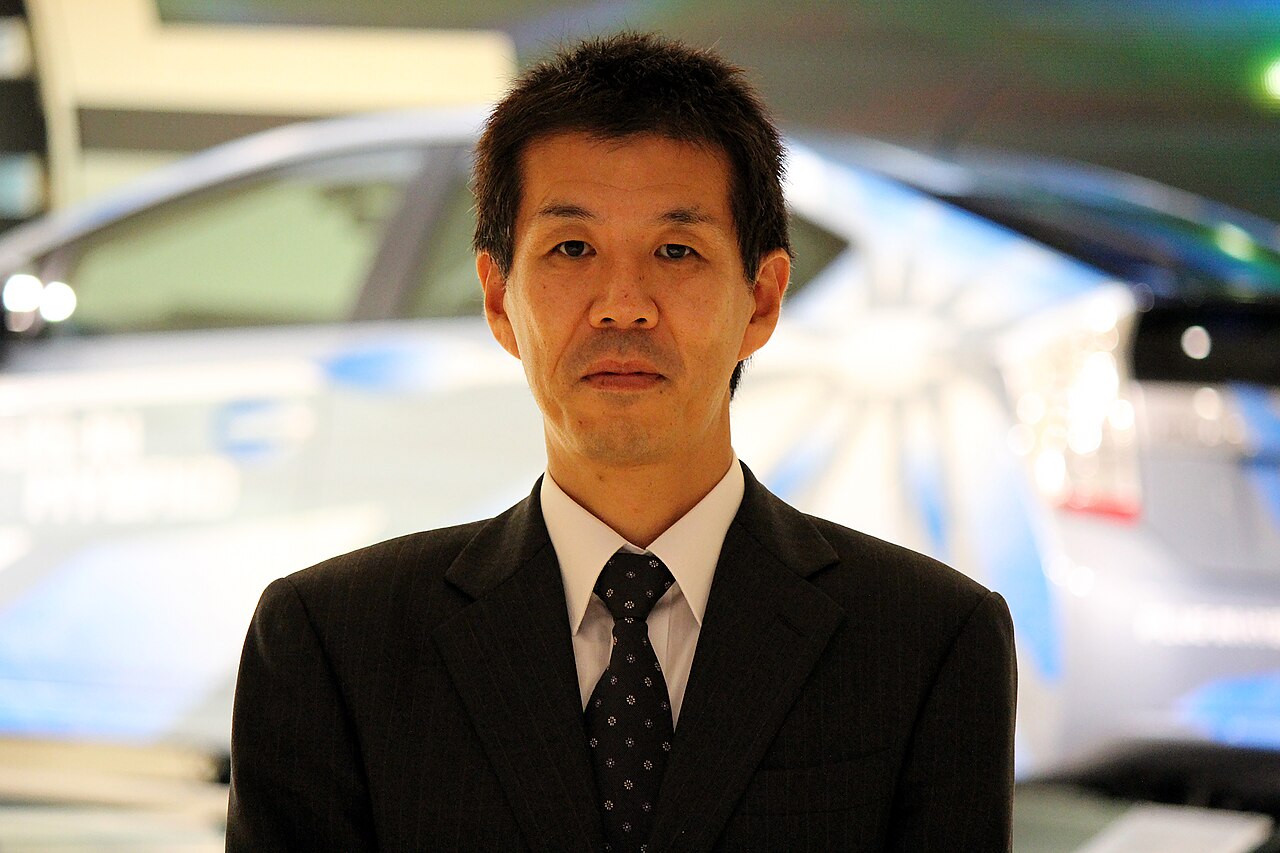 Satoshi OgisoPrius / Aqua
- Hirofumi YamamotoYaris
- Hiroya FujitaCorolla
- Makoto ArimotoLand Cruiser